

накратко за малдивите
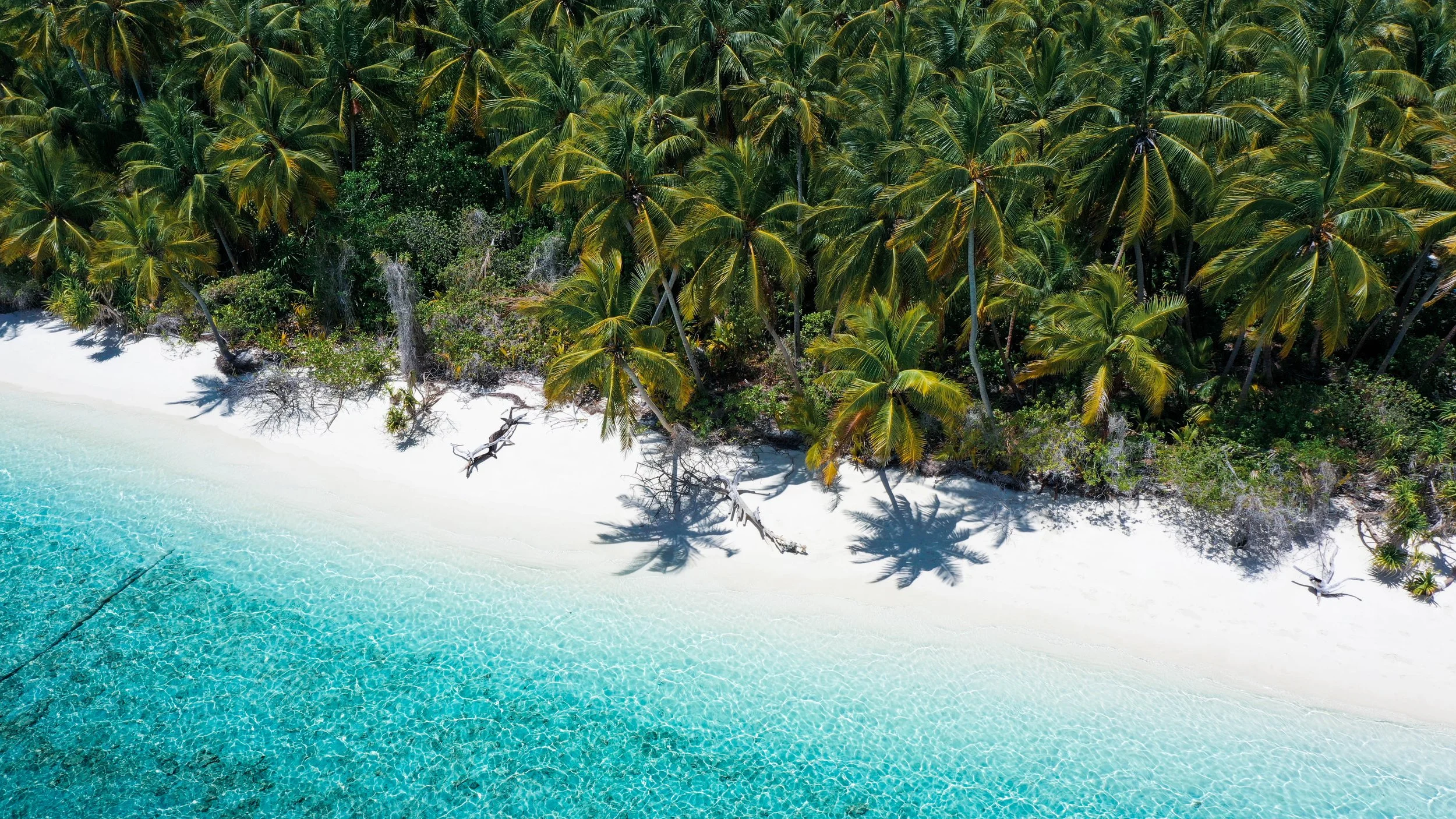
Малдивите са независима островна държава в Индийския океан, югозападно от Индия. Състоят се от 26 впечатляващи атола, пазещи богати традиции и невероятни природни богатства. Всички коралови острови и пясъчни ивици (200 населени острова плюс над 170 острова с туристически курорти) са видимите върхове на океанска вулканична планинска верига, чийто външен ръб на места се спуска на дълбочина над 3 км. Малките острови са обградени от великолепни плажове и невероятно красиви лагуни.
Мале – столицата на Малдивите: Мале е оживен и шумен град, който туристите обикновено използват само като място за престой, преди да отпътуват към други местни острови, курортни острови или преди да напуснат Малдивите.Мале е с размери само 2 км на 1.4 км и повечето места могат лесно да се достигнат пеша. В Мале има само обществени плажове, затова слънчевите бани и плуването трябва да се правят с пълно облекло.
Населението на Малдивите е около 530 000 души и повечето хора живеят на главния остров Мале и островите около столицата.Поради географското разположение и малкия размер на островите, гъстотата на населението в Мале е една от най-високите в света.Малдивците са етнически хомогенна група, основно със смесен произход от южноазиатски и арабски корени
Най-доброто време за посещение
Малдивите се радват на тропически климат, който основно се определят от два мусонни сезона през които ветрове духат от противоположни посоки.
Най-доброто време за посещение на Малдивите е между януари и средата на април, когато преобладава сухият североизточен мусон. Може да очаквате ясно небе и ниска влажност, въпреки че понякога може да има кратки превалявания (особено в южните атоли). Сухият сезон характеризира с голяма заетост и по-високи цени.
Влажният югозападен мусон продължава от май до октомври, с пик през юни. Въпреки че температурите остават толкова топли, колкото и през сухия сезон, дъждовните дни и гръмотевичните бури са много по-вероятни.
Преходните периоди обикновено настъпват в края на ноември или декември и в края на април или май. Тези преходни периоди често са съпроводени с по-дълъг период на нестабилно време и облачни, дъждовни дни.
!!!Трябва да се отбележи, че тропическият климат на Малдивите и точните дати на преходните периоди стават все по-непредсказуеми през последните години, като влажният сезон става по-сух, а сухият сезон има повече превалявания. Също така има леки разлики в климатичните модели от атол до атол, тъй като Малдивите се простират на над 800 км. Северните атоли – които са дом на най-луксозните курорти в архипелага – имат повече слънце и по-малко годишни валежи в сравнение с централните атоли (където се намира столицата Мале) и атолите, разположени южно от Екватора.
Някои туристи посещават Малдивите не толкова заради плажовете и курортите, а заради световноизвестните места за гмуркане и възможността да плуват с манти и китови акули. Условията за гмуркане са отлични през цялата година, но районите, които се посещават от по-големите морски животни, се различават според сезона.
Нуждая ли се от туристическа виза за Малдивите?
Към момента:
ТУРИСТИЧЕСКА ВИЗА
се издава на всички националности при пристигане в Малдивите. Нужно е обаче лицето да отговаря на основните изисквания за влизане, за да получи разрешение от имиграционните власти при пристигане.
В рамките на 96 часа преди полет до или от Малдивите, пътуващите трябва да попълнят безплатната декларация за пътуване IMUGA.
Бизнес пътуващите трябва да кандидатстват за виза.
Кучета не са позволени в Малдивите.
ОСНОВНИ ИЗИСКВАНИЯ ЗА ВЛИЗАНЕ СА:
Паспорт или пътен документ с машинно четима зона (MRZ) с поне 3 месеца валидност.
Пълен план на пътуването, включително потвърден билет за връщане, предплатена и потвърдена резервация в регистриран хотел.
Декларацията за пътуване трябва да бъде попълнена и подадена от всички пътуващи до Малдивите в рамките на 96 часа преди полета. Формулярът се подава електронно чрез IMUGA.
Децата/непълнолетните трябва да имат собствен паспорт, за да влязат в Малдивите.
резорт или местен остров
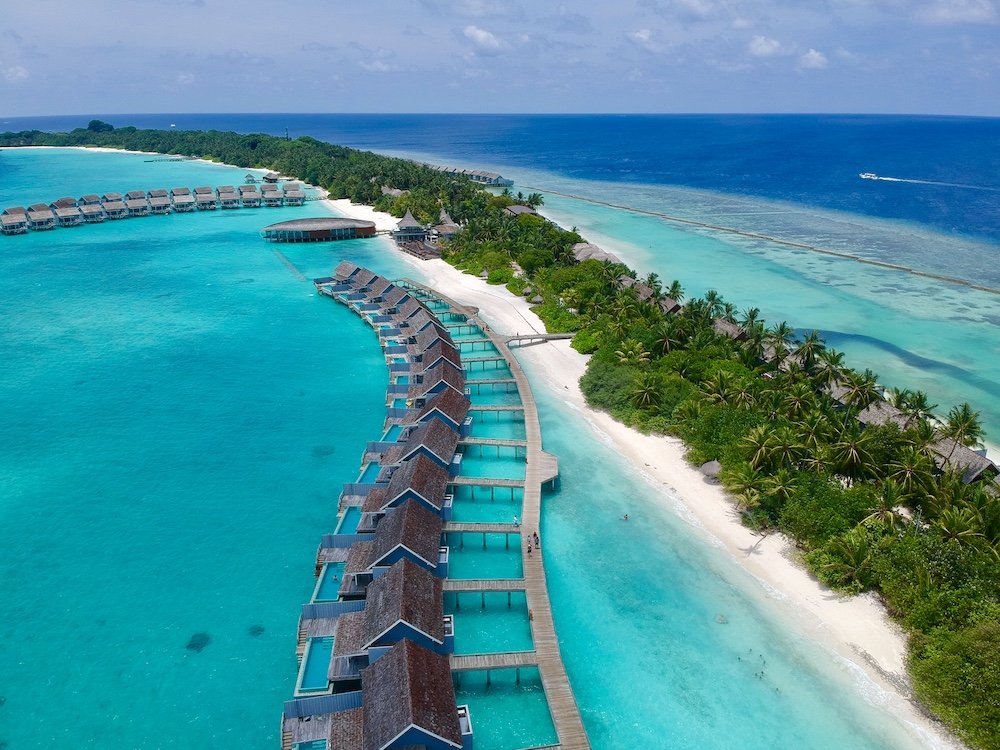
Всеки курорт е на отделен частен остров. Той работи като самостоятелен хотел с пълна инфраструктура – плажове, ресторанти, СПА, водни спортове, гмуркане и екскурзии. Достъпът е само за гости. Характеризира се луксозно ол-инклузив преживяване.
Резорти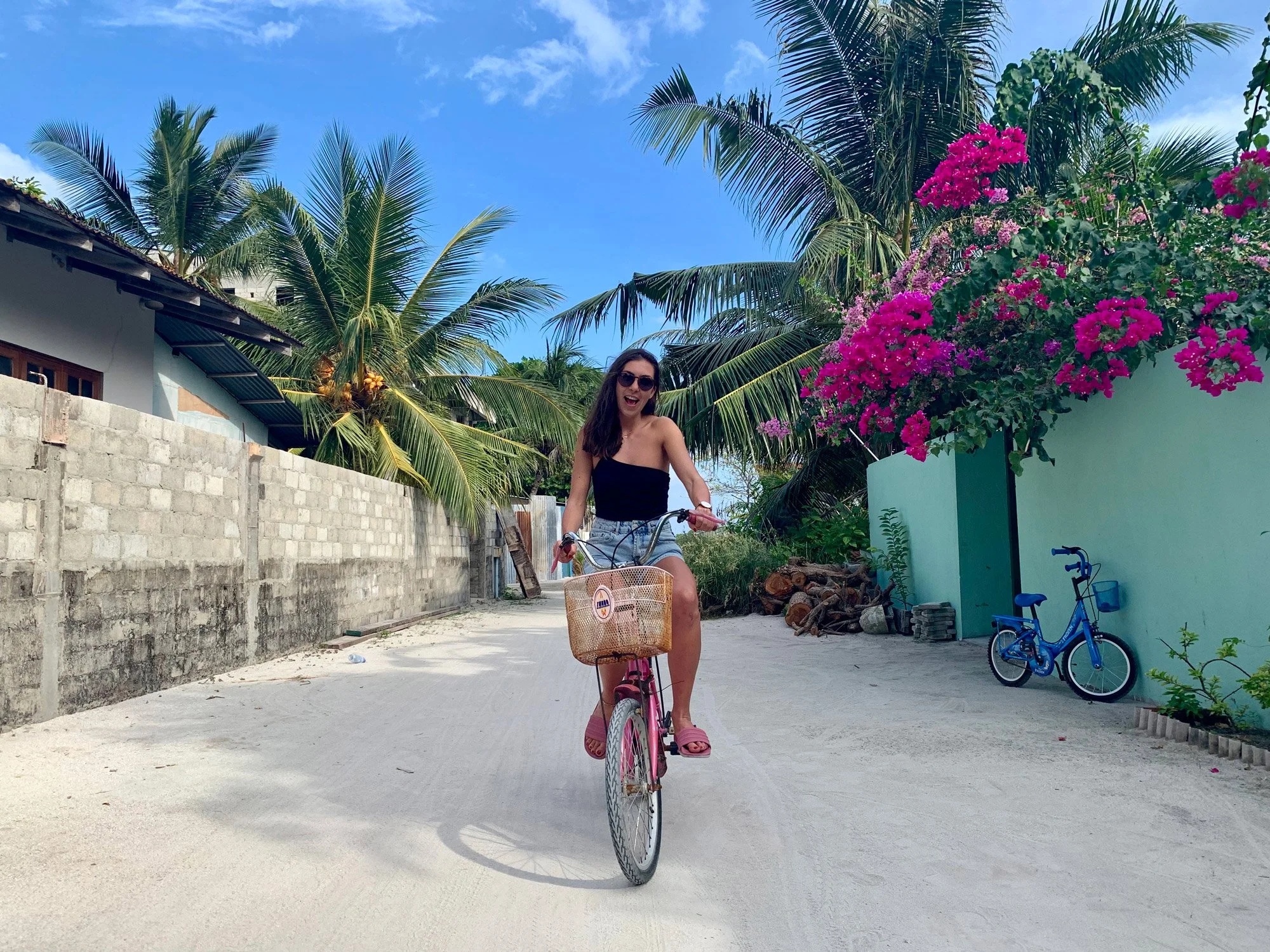
Те са обитавани от местното население и предлагат малки хотели и къщи за гости. Отсядането тук е по-бюджетно и дава шанс да опознаете автентичната култура и бит. Алкохолът е забранен и се пред.лага на така наречени парти лодки, които са закотвени до някои от местните острови.Повечето местни острови имат специално обособен „bikini beach“, където може да плажувате по бански.Местните острови са рай за хора,чийто приоритет са водни спортове, гмуркане и шнорхелинг.
Местни острови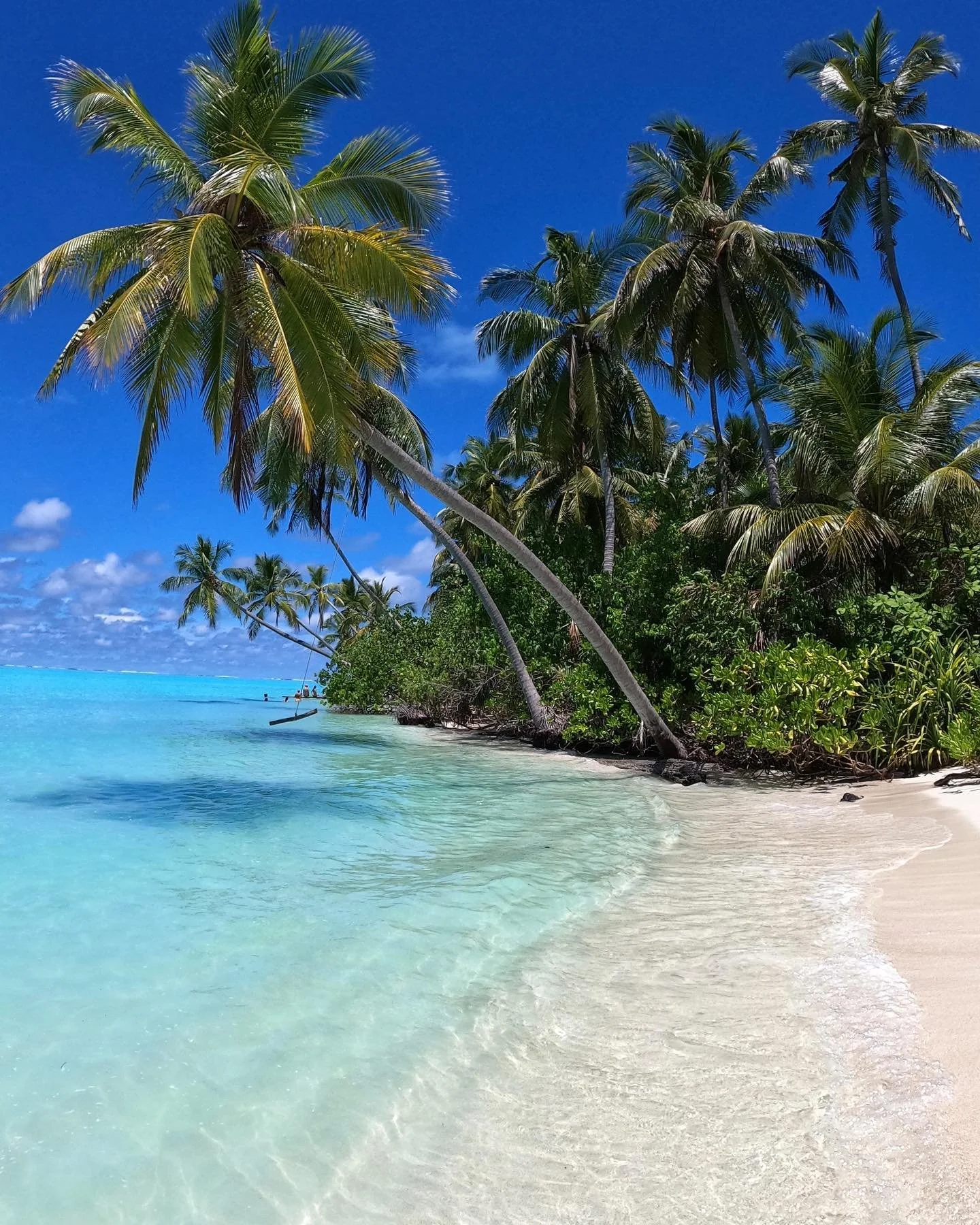
Безлюдни островиМалдивите са дом на безброй необитаеми острови и красиви пясъчни коси – малки ивици от бял пясък, заобиколени от кристално чисти тюркоазени води.
Тези райски места са изключително популярни за еднодневни екскурзии, пикници, шнорхелинг, плуване или просто за почивка далеч от всичко и всички. Много от екскурзиите включват посещение на такива недокоснати острови, където можете истински да усетите магията на тропическия рай..

Meet the Founder
We're not here to follow trends—we're here to build something timeless. With a blend of creativity, strategy, and heart, we help ideas come to life.